Yoga is recognized for maintaining physical health & flexibility. It also offers important advantages for emotional wellbeing. This traditional practice combines physical postures with breathing techniques and meditation to aid emotional recovery and mental health. Practitioners can build a deeper self-connection & discover methods to release emotional tension while improving mental clarity & achieving calmness. This article examines how yoga functions as an effective tool for emotional healing and explores its benefits alongside practical approaches for incorporating it into daily life.
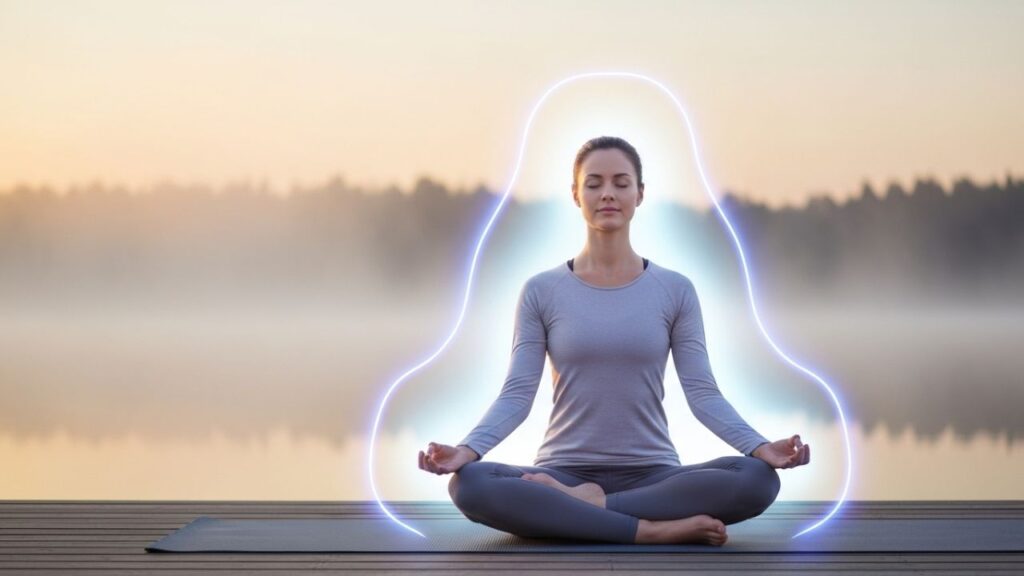
The Emotional Healing Power of Yoga Explained
Yoga helps create harmony between your physical body & mental state. This connection makes it an effective tool for working through emotional difficulties. Regular practice naturally lowers stress levels in ways that directly benefit your emotional wellbeing. Through yoga you develop the ability to focus on the present moment rather than dwelling on past events or future worries. This skill helps you break free from cycles of anxious thoughts and negative mental patterns that can prevent personal growth. The physical postures combined with controlled breathing techniques give you practical methods to regulate your emotional responses rather than feeling overwhelmed by them.
Understanding Yoga’s Impact on the Nervous System
Yoga significantly influences your nervous system function. Regular yoga practice activates the parasympathetic nervous system that controls your body’s rest and digest responses. This activation helps your body naturally recover from stress. When this system engages your cortisol levels decrease. Cortisol is the primary stress hormone your body produces during tense situations. The overall result is a deeper sense of relaxation throughout your entire body. These effects make yoga particularly beneficial for people experiencing difficult emotional struggles such as anxiety or depression or traumatic stress.

Essential Yoga Practices That Restore Emotional Balance
Breathwork (Pranayama)
Breathing exercises are an essential component of yoga practice that help regulate the nervous system. Techniques like Nadi Shodhana (alternate nostril breathing) and Ujjayi breath (victorious breath) can calm the mind and decrease stress levels while bringing emotional balance. Through conscious breath control people can shift from a tense fight-or-flight response to a state of relaxation and improved mental focus.
Mindful Meditation
Meditation practices like Vipassana and Yoga Nidra help people relax deeply and become more aware of themselves. These methods give individuals a way to let go of emotional stress that has accumulated over the years. They also provide access to the subconscious mind and bring greater mental clarity. Regular meditation is particularly effective for working through emotional barriers and recovering from difficult experiences in the past.

Asanas for Emotional Release
Certain yoga postures called asanas help release emotional tension that builds up in the body. Poses such as Child’s Pose or Balasana and Forward Fold or Uttanasana along with Camel Pose or Ustrasana work to stretch & open areas where stress usually gathers like the hips and shoulders. When you hold these positions your body can slowly let go of stored emotions and this supports emotional healing.
How Regular Yoga Practice Strengthens Mental Well-Being
Yoga improves emotional wellbeing by helping people develop greater self-awareness and self-acceptance. During practice you learn to observe your thoughts without judgment. This builds a compassionate internal environment where honest self-reflection becomes possible. This growing awareness gradually improves your understanding of emotions and supports the development of healthier coping strategies. Yoga also influences brain chemistry by regulating mood-controlling neurotransmitters like serotonin and dopamine. Regular practitioners frequently report reduced anxiety and depression symptoms. They experience increased happiness & build greater resilience when facing emotional difficulties.
Beginner-Friendly Tips for Emotional Healing Through Yoga
Starting Your Yoga Journey for Emotional Healing Begin with Gentle Yoga Styles Start your practice with easy yoga classes that focus on relaxation. Restorative Yoga and Yin Yoga are excellent choices for beginners. These styles let you hold poses for extended periods while you breathe deeply and allow your body to heal naturally. Learn Simple Breathing Exercises Breathing techniques are essential for emotional wellness. The 4-7-8 method is straightforward and effective. Inhale for four counts and hold your breath for seven counts before exhaling for eight counts. This simple exercise can help calm your mind & reduce stress. Make Yoga Part of Your Routine Emotional healing requires patience and consistency. Adding yoga to your daily routine brings lasting benefits. Even a short session of 10 to 15 minutes each day can improve your emotional wellbeing over time. Create a Calm Practice Area Find a quiet spot in your home where you can practice without distractions. Consider playing soft music or lighting candles to enhance the atmosphere. Essential oils can also help create a more relaxing environment for your practice. Listen to What Your Body Tells You Yoga is about building awareness of your body and respecting its limits. Never push yourself into poses that feel painful or uncomfortable. The goal is to release tension from your body instead of adding more stress to it.
Building Emotional Resilience Through Mindful Yoga
Starting Your Yoga Journey for Emotional Healing Begin with Gentle Yoga Styles Start your practice with easy yoga classes that focus on relaxation. Restorative Yoga and Yin Yoga are excellent choices for beginners. These styles let you hold poses for extended periods while you breathe deeply and allow your body to heal naturally. Learn Simple Breathing Exercises Breathing techniques are essential for emotional wellness. The 4-7-8 method is straightforward & effective. Inhale for four counts and hold your breath for seven counts before exhaling for eight counts. This simple exercise can help calm your mind and reduce stress. Make Yoga Part of Your Routine Emotional healing requires patience and consistency. Adding yoga to your daily routine brings lasting benefits. Even a short session of 10 to 15 minutes each day can improve your emotional wellbeing over time. Create a Calm Practice Area Find a quiet spot in your home where you can practice without distractions. Consider playing soft music or lighting candles to enhance the atmosphere. Essential oils can also help create a more relaxing environment for your practice. Listen to What Your Body Tells You Yoga is about building awareness of your body and respecting its limits. Never push yourself into poses that feel painful or uncomfortable. The goal is to release tension from your body instead of adding more stress to it.